What are Nephrite and Bowenite?
The Difference Between Nephrite and Bowenite Pounamu
When choosing authentic New Zealand Pounamu, it helps to understand the difference between Nephrite and Bowenite. Both are recognised as Pounamu in Aotearoa, but they differ in composition, appearance, and durability.
Nephrite Pounamu
Nephrite is the most common and well-known type of Pounamu.
Composition:
Nephrite is made primarily of actinolite, a mineral that forms under intense heat and pressure.
Strength:
It has a dense, interlocking crystal structure, making it extremely tough and resistant to breaking. This strength made it ideal for traditional tools and weapons.
Appearance:
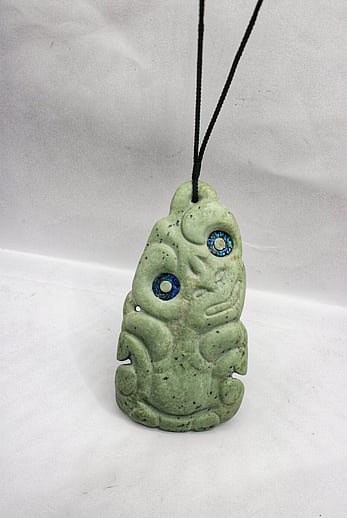
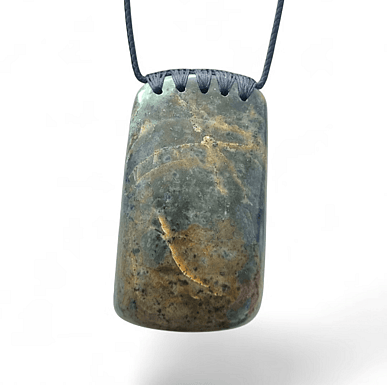
Nephrite ranges in colour from deep green (Kawakawa) to lighter, translucent green (Kahurangi) and softer grey-green tones (Inanga). It can appear smooth, creamy, or slightly fibrous.
Best Known For:
Durability, rich colour depth, and traditional carving use.
Bowenite Pounamu (Tangiwai)
Bowenite is a rarer form of Pounamu and is technically a variety of serpentine.
Composition:
Bowenite is softer than nephrite and has a different mineral structure.
Strength:
While still durable, it is not as tough as nephrite. It requires more care during carving.
Appearance:
Bowenite — often called Tangiwai — is usually lighter in colour, ranging from pale green to yellow-green. It is often more translucent and can have a glass-like appearance.
Best Known For:
It's luminous, almost glowing look and unique clarity.
Key Differences at a Glance
Nephrite = tougher, darker greens, traditional NZ jade
Bowenite (Tangiwai) = softer, lighter, more translucent
Both are authentic Pounamu found in Aotearoa
Both are treasured and culturally significant
Most New Zealand Pounamu jewellery is carved from nephrite because of its superior toughness. However, Bowenite is equally valued for its beauty and rarity.
When you choose authentic Pounamu, you are choosing a stone formed over millions of years and deeply connected to Aotearoa’s land and heritage.